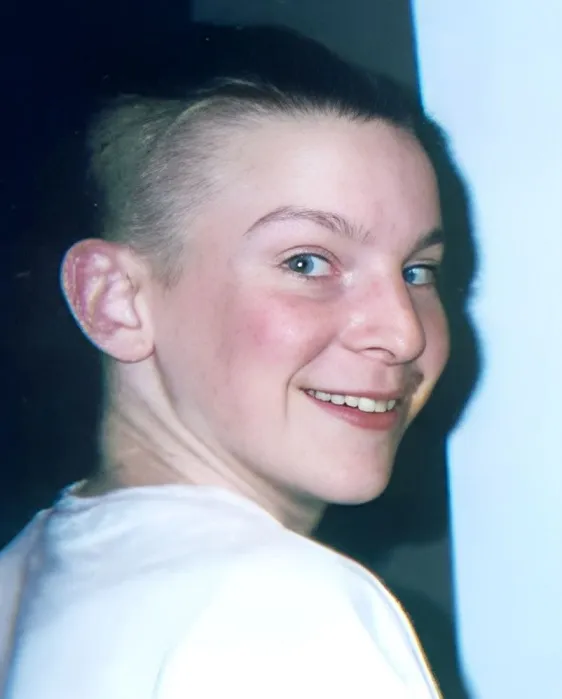
In 1992, the United Kingdom was shaken by one of the most disturbing crimes in modern British history—the murder of Suzanne Capper, a 16-year-old girl from Greater Manchester, England. What made her death especially harrowing was not only the cruelty she endured, but the devastating truth that those responsible were people she trusted and believed were her friends.
Suzanne was not a criminal, not a runaway, and not living a dangerous life. She was a vulnerable teenager who wanted acceptance, companionship, and belonging. Instead, she encountered calculated cruelty that would ultimately cost her life.
A Teenager Searching for Acceptance
Suzanne Capper was described by those who knew her as someone who desperately wanted to fit in. Like many teenagers, she longed for friendship and connection. That desire made her vulnerable to manipulation by older individuals who exploited her trust.
In late 1992, Suzanne became involved with a group of people who appeared friendly on the surface. What she did not know was that she was walking into an environment fueled by violence, control, and a complete lack of empathy.
From Friendship to Captivity
What began as social interaction quickly turned into confinement. Suzanne was taken to a house where she was held against her will. Over the course of several days, she was subjected to repeated physical and psychological abuse. Her captors worked together, encouraging one another, turning cruelty into a group activity rather than a moment of rage.
She was restrained, isolated, and deliberately silenced. Loud music and recorded sounds were used to disorient her and prevent anyone outside from hearing her cries for help. The abuse was systematic, intentional, and relentless.
The violence left Suzanne severely injured and weakened, yet no one intervened. Instead of receiving help, she was further degraded and denied basic care and dignity.
Extreme Cruelty Without Mercy
As Suzanne’s condition deteriorated, the abuse escalated rather than stopped. She was treated as less than human—her suffering ignored, her pain mocked. The people responsible showed no urgency, no remorse, and no compassion.
Even when it became clear that Suzanne’s life was in danger, her captors failed to seek medical help. Their actions reflected not impulsive violence, but sustained cruelty carried out over time.
Eventually, Suzanne was abandoned. She was later found alive but critically injured, having endured injuries so severe that her body could not recover.
Suzanne’s Death
Suzanne Capper died days later in hospital, never regaining the chance to tell her own story in court. She was just sixteen years old.
Her death sent shockwaves through the UK and sparked widespread outrage. The idea that a teenager could be tortured and murdered by a group of peers forced the public to confront uncomfortable truths about violence, group dynamics, and how easily cruelty can be normalized when accountability disappears.
Justice and Sentencing
Those responsible for Suzanne’s death were arrested, charged, and convicted. Several individuals received lengthy prison sentences, reflecting the seriousness and sustained nature of the crime.
While the convictions brought legal closure, they could never undo what Suzanne endured—or return a life stolen far too early.
A Case That Changed Public Awareness
The murder of Suzanne Capper remains a landmark case in British criminal history. It is frequently cited in discussions about peer violence, coercive control, and the dangers faced by vulnerable young people.
Her case highlighted how abuse does not always come from strangers—and how group behavior can escalate cruelty when no one chooses to stop it.
Remembering Suzanne
Suzanne Capper is not just a name in a criminal record. She was a child who wanted friendship. She deserved safety, care, and protection. Instead, she was betrayed by those she trusted most.
Remembering Suzanne means more than recounting what happened to her. It means recognizing the warning signs of exploitation, believing victims when they are vulnerable, and refusing to look away when cruelty is disguised as friendship.
Her story remains a powerful reminder: violence thrives where empathy is absent—and silence allows it to continue.