
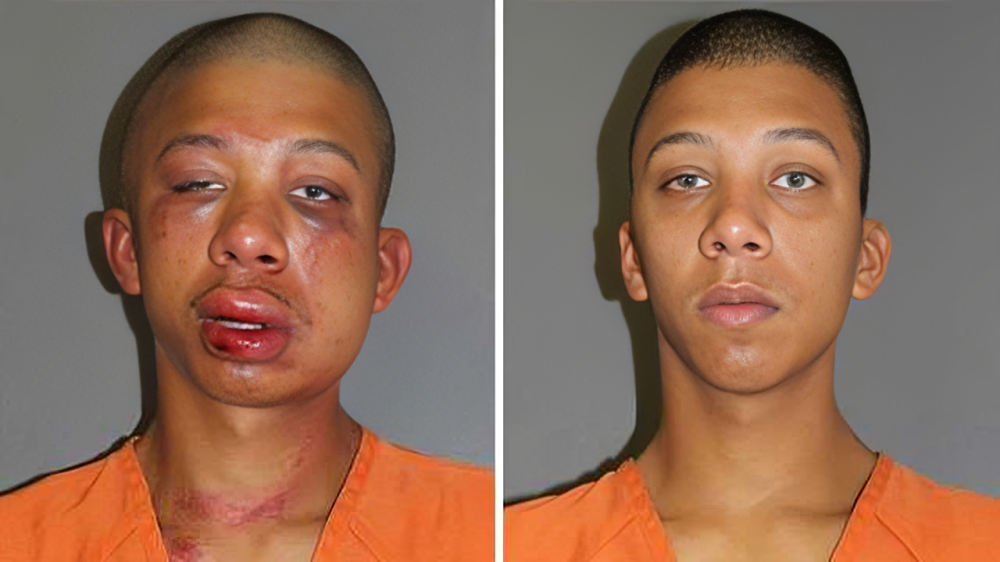
In the sweltering heat of a Florida summer, on July 18, 2014, a quiet Daytona Beach home became the scene of a parent’s worst nightmare—and a visceral act of retribution that captured national attention. What began as an ordinary evening escalated into a harrowing confrontation when a father walked in on a trusted family friend sexually assaulting his 11-year-old son. The incident not only highlighted the devastating impact of child sexual abuse but also sparked widespread debate about the boundaries of parental protection, vigilante justice, and the legal system’s role in such crises. This article delves deep into the events of that fateful night, the individuals involved, the legal aftermath, and the broader societal implications, drawing from police reports, court records, interviews, and expert analyses.
The Discovery: A Betrayal in the Bedroom
It was around 1 a.m. when the unnamed father—referred to in reports simply as the victim’s dad to protect the child’s identity—returned home from a quick errand to the store. The house was supposed to be a safe haven, a place where his young son could play and rest without fear. But as he approached the back bedroom, unusual noises caught his attention. Pushing open the door, he was met with a sight that would forever alter his life: 18-year-old Raymond Frolander, someone the family had known and trusted for years, was in the act of molesting his 11-year-old boy.
Frolander wasn’t a stranger; he was practically part of the family. The teenager had been welcomed into their home, sharing meals and moments like any close acquaintance. This betrayal added an extra layer of horror to the scene. The father later recounted in interviews that the immediate shock gave way to an overwhelming rage. “My immediate feeling was to kill him so he will never hurt anyone again,” he told reporters. In that split second, parental instinct overrode everything else. He lunged at Frolander, pulling him away from his son and unleashing a barrage of punches and kicks that left the assailant unconscious on the floor.
The father’s actions were swift and unrelenting. Using only his fists and feet, he beat Frolander until he was no longer a threat. “I hit hard,” he would later say matter-of-factly. Photos released by the police showed Frolander’s mugshot: his face swollen with knots, eyes blackened, and mouth bloodied—a stark visual testament to the father’s fury. Yet, amid the chaos, the father maintained enough composure to ensure his son was safe and to call for help, dragging the limp body into the living room for authorities to find.
The 911 Call: A Chilling Audio Record
Moments after the beating, the father dialed 911, his voice steady but laced with unmistakable anger and concern. The call, which was later released to the public, provides a raw, unfiltered glimpse into the immediate aftermath. “I just walked in on a grown man molesting [my son],” he told the dispatcher. “And I got him in a bloody puddle for you right now, officer. Send an ambulance. He is going to need one.”
The operator, trained to gather details calmly, pressed for more information. “He stood up and his pants were around his ankles,” the father explained, his words painting a vivid picture of the incriminating scene. “Nothing else needed to be said. I did whatever I got a right to do except I didn’t kill him.” When asked if Frolander was still unconscious, he replied affirmatively: “Yes… I hit hard, sir.” And on the use of weapons? “My foot and my fist,” he said plainly. He even added a touch of dark humor, noting that Frolander was “nice and knocked out on the floor for you, I dragged him into the living room.”
But the call also revealed a deeper restraint. The father alluded to his faith as a factor in sparing Frolander’s life: “He is a damn lucky boy that I love my God.” This religious conviction, he implied, was what kept him from crossing into murder. The 911 audio quickly went viral, amplifying the story across media outlets and social platforms, where listeners debated the father’s tone—part defiant, part protective.
Police Arrival and Initial Response
Daytona Beach police officers arrived swiftly at the scene, where they found Frolander exactly as described: motionless on the living room floor, battered and bleeding. He was rushed to a nearby hospital for treatment of his injuries, which included facial contusions and oral lacerations but were not life-threatening. The father cooperated fully, recounting the events without hesitation. Remarkably, no charges were filed against him. Police Chief Mike Chitwood summed up the department’s stance succinctly: “Dad was acting like a dad. I don’t see anything we should charge the dad with.”
Chitwood’s comments resonated with many, but they also stirred controversy. Was this an endorsement of vigilante justice? Legal experts noted that Florida’s laws on self-defense and protection of others could apply here, especially since the assault was in progress and posed an imminent threat to the child. The father’s actions were deemed justifiable under the circumstances, avoiding what could have been a complicated prosecution.
The Father’s Heart-Wrenching Account
In the days following the incident, the father broke his silence in interviews with local media, providing more context to his split-second decisions. He revealed that after knocking Frolander out, he headed to the kitchen for a butcher knife, intent on ending the threat permanently. But it was his son—the very victim—who intervened. “My son stepped in front of me and saved his attacker’s life,” the father said, his voice cracking with emotion. “He just looked at me and said ‘sir’ and shook his head, and I put the knife down.”
This revelation shifted the narrative, portraying the young boy not just as a victim but as a hero in his own right. The father emphasized that his son’s courage prevented a tragedy from becoming even darker. “My son saved Raymond,” he reiterated. He also expressed no regrets about the beating but grappled with forgiveness: “I don’t know if I’ll forgive the accused.” The family’s decision to speak out was partly to raise awareness about child abuse, though they remained protective of their privacy.
Additionally, court orders mandated that Frolander undergo an HIV test, a standard procedure in sexual assault cases to assess potential health risks to the victim.
Legal Proceedings and Sentencing
Frolander was arrested and charged with sexual battery on a child under 12, a capital felony in Florida that could have carried a life sentence if convicted at trial. Held without bond, he appeared in court the next day, his injuries still evident. The case moved forward amid intense public scrutiny.
In a turn of events, Frolander pleaded no contest on April 2, 2015, to an amended charge of lewd and lascivious molestation of a child. This plea deal spared him a mandatory life sentence and avoided putting the young victim through the trauma of testifying. The family supported the agreement, prioritizing their son’s emotional recovery. Sentenced to 25 years in prison followed by lifetime sex offender probation and GPS monitoring upon release, Frolander’s fate was sealed. The victim’s father, still seething, commented outside the courtroom: “He’s going to learn in the next 25 years why I let him live.”
The victim’s grandmother expressed a mix of empathy and resolve, noting that she had forgiven Frolander but believed the sentence ensured public safety. “The streets are free of a pedophile,” she said.
Public Reaction: Hero or Vigilante?
The story exploded across national media, with headlines dubbing the father a “hero dad.” Social media buzzed with support, many parents declaring they would have done the same—or worse. Polls and comment sections overflowed with praise for Chief Chitwood’s leniency, viewing it as common-sense justice.
However, not everyone agreed. Critics argued that endorsing such violence undermines the rule of law, potentially encouraging dangerous vigilantism. Legal scholars pointed to similar cases, like the 1984 Texas incident where a father killed his daughter’s abuser and was acquitted, as parallels that blur ethical lines. The debate extended to discussions on whether faith, as the father cited, should influence life-and-death decisions.
One controversy arose when the father posted a photo of his son online, soliciting donations for a reported $1 million goal—though he later clarified it was to support child abuse awareness. Police Chief Chitwood expressed dismay over this, emphasizing the need to protect the child’s privacy.
Broader Implications: Child Sexual Abuse in America
This incident underscores a grim reality: child sexual abuse is alarmingly prevalent. According to the Centers for Disease Control and Prevention, about 1 in 4 girls and 1 in 6 boys experience sexual abuse before age 18, often by someone they know. In Florida alone, thousands of cases are reported annually, straining resources for prevention and support.
Experts like those from the National Children’s Advocacy Center stress the importance of education, early intervention, and therapy for victims. The Daytona Beach case highlighted how abusers often groom families, exploiting trust. It also raised questions about Frolander’s own history—his grandmother suggested he might have needed help earlier, hinting at cycles of abuse.
On vigilante justice, criminologists warn that while emotionally satisfying, it can lead to miscarriages of justice or escalation. Yet, in a system where convictions for child abuse hover around 80-90% but reporting rates are low, many see parental intervention as a last resort.
Conclusion: Healing and Reflection
More than a decade later, the beating of Raymond Frolander remains a poignant reminder of a parent’s unbreakable bond and the shadows lurking in trusted relationships. The father and his son have moved forward, with the boy—now a young adult—hopefully finding peace through counseling. Frolander serves his sentence, a consequence of his actions.
This story isn’t just about one night in Daytona Beach; it’s a call to action for better protection of children, stricter oversight of potential abusers, and nuanced discussions on justice. As the father put it, his son saved a life that day—but at what cost to his own innocence? In the end, true heroism lies in prevention, not retribution.